
U.S. goods trade deficit hits record $1.24 trillion despite Trump’s tariff push
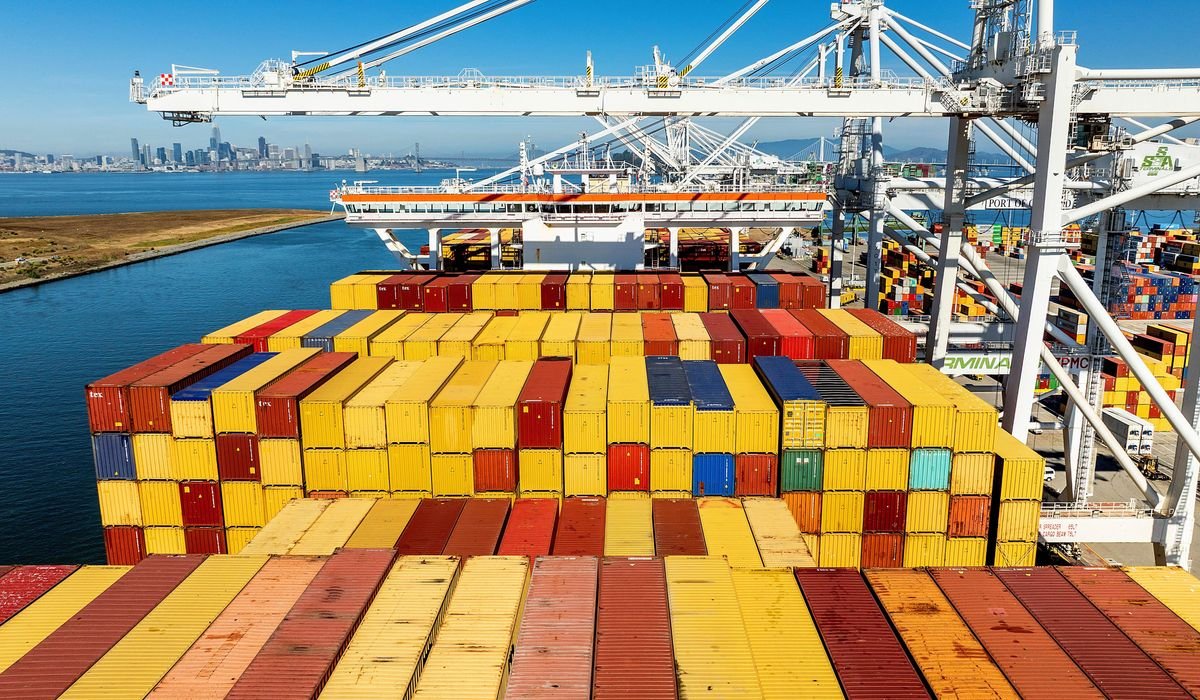
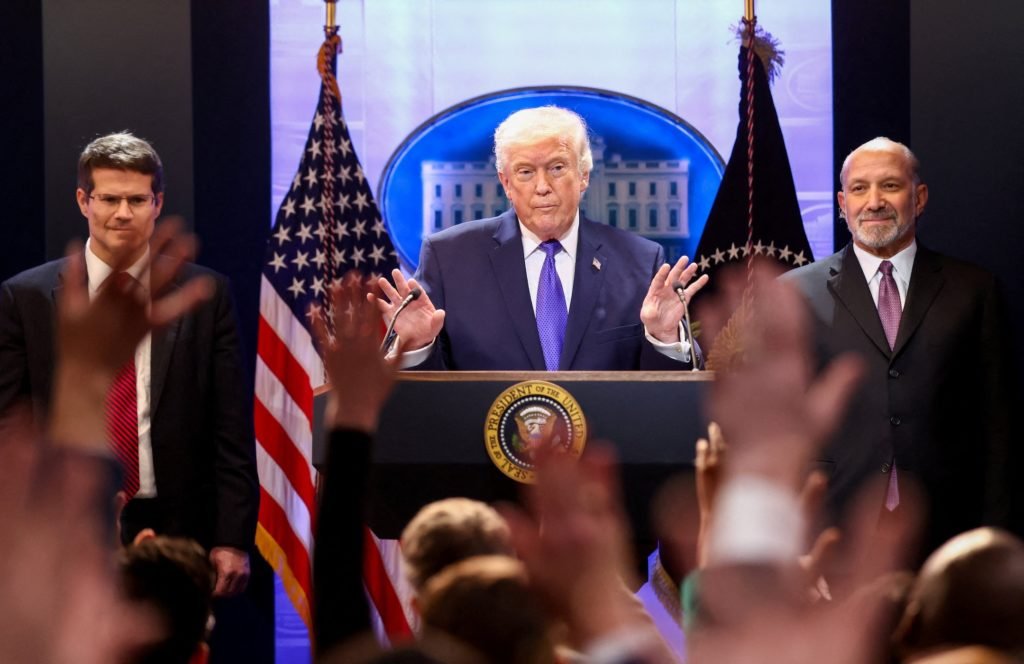
President Donald Trump’s tariff policies in 2025 produced a mixed economic picture — narrowing the overall trade deficit only modestly while the goods trade deficit hit a record high and import taxes increased costs for U.S. businesses, according to Commerce Department data reported by The Associated Press.
The overall U.S. trade deficit edged down to just over $901 billion from $904 billion in 2024, the Commerce Department said, marking the third-highest level on record. Exports rose 6% and imports climbed nearly 5%. However, the goods trade deficit — the main focus of Trump’s protectionist policies — widened 2% to a record $1.24 trillion. The increase was driven in part by higher imports of computer chips and other technology products from Taiwan to support investments in artificial intelligence, the AP reported.
The goods deficit with China plunged nearly 32% to $202 billion, reflecting the impact of tariffs and shifting supply chains. At the same time, trade flowed more heavily through other countries. The U.S. goods gap with Taiwan doubled to $147 billion, and the deficit with Vietnam jumped 44% to $178 billion, according to Commerce Department figures cited by the AP.
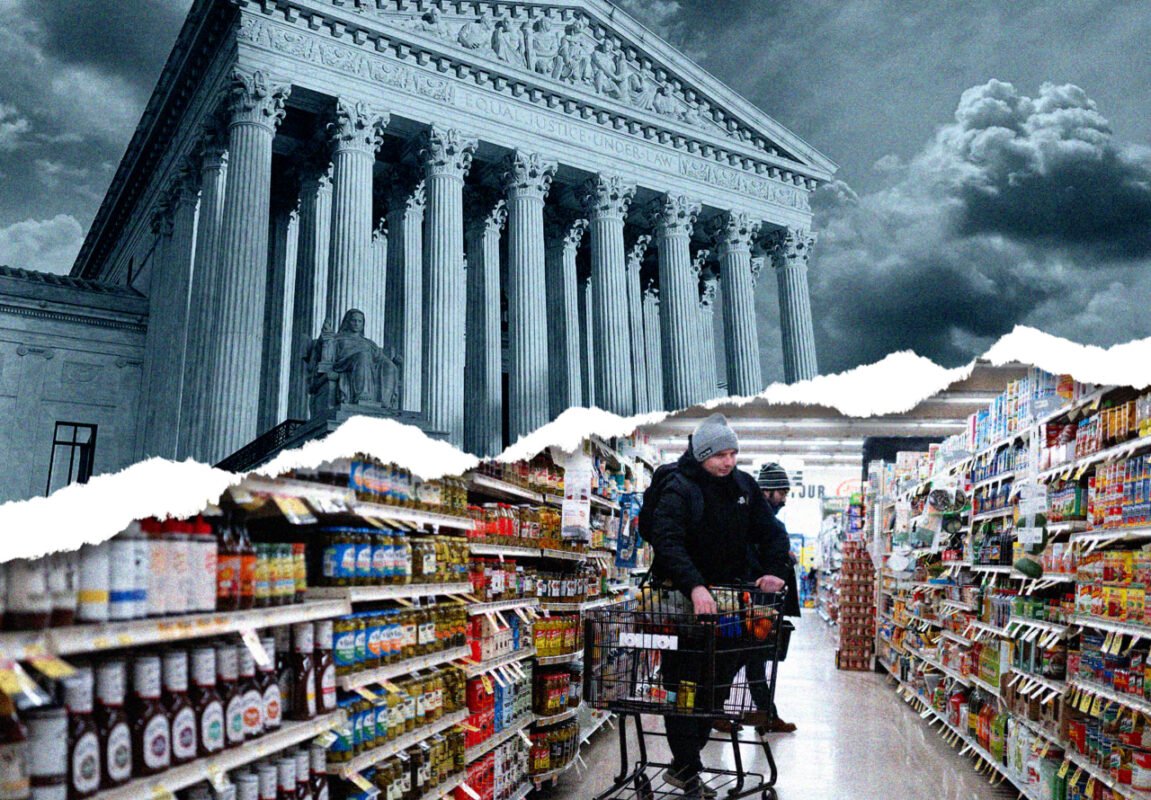
Separate research cited in AP reporting highlighted the domestic impact of the tariffs. The JPMorganChase Institute found that tariffs paid by midsized U.S. firms tripled last year. Those firms employ roughly 48 million workers and have responded by raising prices, reducing hiring or accepting lower profits, according to the institute’s analysis.
A Federal Reserve Bank of New York study found that U.S. businesses and consumers are bearing nearly 90% of the cost of the tariffs. White House economic adviser Kevin Hassett criticized that conclusion, calling it “an embarrassment” and saying the economists involved “should presumably be disciplined,” as reported by the AP. Researchers at Harvard University, the University of Chicago, the Kiel Institute for the World Economy and the Congressional Budget Office have reached similar conclusions.
The average U.S. tariff rate rose from 2.6% to 13% last year after Trump declared an economic emergency at an April event dubbed “Liberation Day,” the AP reported. While inflation has not surged as sharply as some economists had feared, academic researchers estimate consumer prices are about 0.8 percentage points higher than they otherwise would be. The federal government has collected nearly $100 billion in tariff revenue since October — more than in all of fiscal year 2024, according to the AP.
This article is written with the assistance of generative artificial intelligence based solely on Washington Times original reporting and wire services. For more information, please read our AI policy or contact Steve Fink, Director of Artificial Intelligence, at sfink@washingtontimes.com
The Washington Times AI Ethics Newsroom Committee can be reached at aispotlight@washingtontimes.com.